
Exploring the psychology behind casino gambling
The Thrill of Risk and Reward
The allure of casino gambling often lies in the thrill associated with risk-taking and the anticipation of reward. Psychologically, human beings are wired to respond to these elements, which can create a potent mix of excitement and hope. The immediate rush of adrenaline that accompanies placing a bet can trigger the brain’s reward pathways, releasing dopamine that creates feelings of pleasure. This neurological reaction can make gambling addictive for some, as the brain begins to associate gambling with positive reinforcement. Interestingly, players at online venues often explore options like australian neosurf casino , where the anticipation of a win can become a driving force, propelling individuals to return to the gaming floor again and again, lured by the promise of a potential jackpot.
This phenomenon extends beyond mere excitement; it taps into deeper psychological needs. Many individuals gamble to escape from everyday life, seeking the euphoria of victory or the chance to change their fortunes. This desire for an emotional high can sometimes overshadow the potential risks involved. For many, the gambling experience serves as a temporary reprieve from stressors, making it tempting to indulge repeatedly in high-stakes environments where risk and reward are palpably intertwined. The thrill becomes a form of entertainment that provides a break from mundane routines, attracting individuals who crave excitement and novelty.
Moreover, the social aspect of gambling in casinos further enhances its appeal. Engaging in a shared experience with others can amplify emotions, creating a communal energy that fosters both competition and camaraderie. This social interaction can help elevate the gambling experience, turning it into a form of entertainment rather than solely a personal risk-taking venture. As a result, the thrill of risk becomes not just an individual endeavor but a shared journey that can reinforce addictive behaviors. Group dynamics can lead to a sense of belonging, where individuals feel encouraged to participate and gamble together, heightening the overall experience.
The Role of Cognitive Biases
Cognitive biases significantly shape gambling behavior, often leading individuals to make irrational decisions based on misconceived beliefs. One common bias is the illusion of control, where gamblers believe they can influence the outcome of a game through skill or strategy, despite the inherent randomness of most casino games. This misconception can lead to increased betting and prolonged gambling sessions fueled by false confidence. Gamblers might convince themselves that they have a “system” that allows them to predict outcomes, which can reinforce their commitment and lead to excessive play.
Another prevalent bias is the gambler’s fallacy, where individuals mistakenly think that past outcomes affect future probabilities. For instance, a player may assume that a slot machine that hasn’t paid out in a while is ‘due’ for a win, leading them to gamble more heavily as they chase losses or wait for that next big payout. These cognitive distortions highlight the necessity for awareness among gamblers regarding their thought processes. Understanding these biases could foster more informed decision-making, allowing players to approach gambling with a clearer mindset and potentially reducing the likelihood of engaging in harmful behavior.

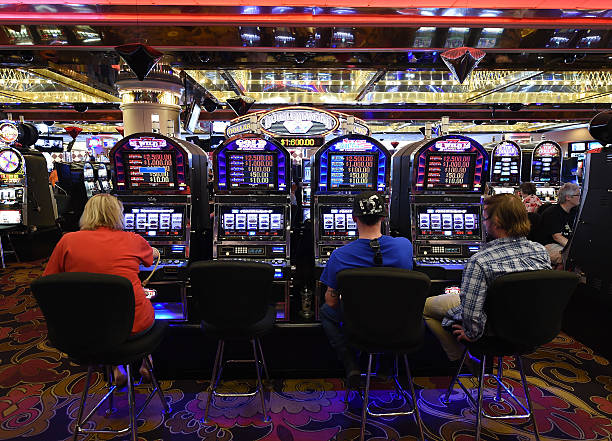
Additionally, the environment of a casino is designed to exploit these cognitive biases. The layout, lighting, and sounds create an atmosphere that can disorient and excite, nudging individuals toward less rational decision-making. The availability of free drinks and the absence of clocks further encourage gamblers to lose track of time and money. These elements are strategically implemented to enhance the sensory experience and keep players engaged for longer periods. Recognizing these tactics can help gamblers understand the psychological influences at play, empowering them to make more rational choices while enjoying their time at the casino.
The Emotional Rollercoaster of Wins and Losses
Gambling is intrinsically linked to a rollercoaster of emotions, oscillating between elation during wins and despair during losses. This emotional turbulence can be both exhilarating and devastating, influencing players’ future betting behaviors. When experiencing a win, the boost in mood can prompt individuals to continue gambling, feeling invincible and optimistic about their chances in upcoming games. This can lead to a cycle of increased risk-taking behavior and a sense of overconfidence, where players may wager larger amounts, believing that their winning streak will continue.
Conversely, losses can trigger strong negative emotions, such as frustration and sadness. Some players respond to these feelings by chasing their losses, leading them to wager more in an attempt to recover what they’ve lost. This reaction can create a feedback loop, resulting in a deeper emotional investment in gambling and potentially escalating to significant financial consequences. Understanding the emotional impacts of gambling is crucial for individuals to manage their behaviors and expectations effectively. Recognizing when emotions drive decisions can help gamblers step back and assess their situation more critically.
Furthermore, the ability of casinos to amplify these emotional highs and lows can create an addictive environment. The sound of coins dropping, flashing lights, and celebratory cheers for wins are all designed to heighten emotional experiences. These elements create a stimulating atmosphere that reinforces the desire to continue gambling, further entrenching players in a cycle of emotional highs and lows. By understanding these psychological triggers, gamblers can develop healthier relationships with gambling, allowing for enjoyment without succumbing to volatility. This awareness can lead to better control over gambling habits, reducing the chances of developing problematic behaviors.
The Influence of Social Factors
Social factors play a significant role in the psychology of gambling, as peer pressure and social acceptance can greatly influence individual gambling behaviors. Many individuals are introduced to gambling through social settings, whether it be family gatherings, events with friends, or parties. This communal aspect can normalize gambling, making it a socially accepted form of entertainment that may encourage individuals to partake more frequently than they might on their own. The social environment can create a sense of obligation to participate, further entrenching individuals in gambling culture.
Additionally, the presence of friends can create a supportive environment, encouraging players to take risks they might otherwise avoid. Social dynamics can also impact decision-making, as individuals may feel compelled to match the gambling habits of peers or seek validation from friends. This social reinforcement often leads to increased gambling activities, as individuals wish to fit in and share in the excitement, irrespective of their personal limits or financial capacity. The togetherness experienced in gambling can lead to shared victories and losses, affecting interpersonal relationships and group dynamics.
Moreover, the role of online communities cannot be overlooked, as digital platforms allow for interaction among gamblers across the world. Online forums and social media can shape perceptions about gambling, sharing strategies and celebrating wins, which can further draw in individuals who are exploring their own gambling behaviors. However, this can also perpetuate negative habits by normalizing excessive gambling and fostering competition that encourages players to take on more risks than they would in traditional settings. The digital landscape thus becomes a double-edged sword, providing community but also the potential for unhealthy gambling practices to proliferate.
Understanding Responsible Gambling
Responsible gambling is a critical concept that emphasizes the importance of moderation and self-awareness in gaming. This notion is particularly vital given the psychological pitfalls associated with gambling. Recognizing when gambling transitions from a recreational activity to a harmful habit requires significant self-reflection and a robust understanding of personal limits. Strategies for responsible gambling include setting clear budgets, establishing time limits, and being mindful of one’s emotional responses to wins and losses. These practices help individuals maintain control over their gambling activities and avoid the pitfalls of impulsive behavior.
Moreover, casinos and gaming platforms are increasingly adopting measures to promote responsible gambling. Many establishments offer resources such as self-exclusion programs, where players can voluntarily restrict their access to gambling activities. Additionally, educational campaigns aim to inform players about the risks involved in gambling, aiming to create a more informed public that prioritizes enjoyment without compromising personal health and finances. These initiatives play a crucial role in fostering a safer gambling environment, empowering individuals to make educated decisions.
Advocating for responsible gambling encompasses a communal effort to create an environment where enjoyment is prioritized over financial risk. This involves supporting individuals on their journey to understanding their behaviors and encouraging open dialogues about gambling-related issues. By fostering an environment that values balance and health, society can help mitigate the risks while still allowing individuals to enjoy the excitement associated with casino gambling. Ultimately, responsible gambling is about creating a culture of awareness and support, ensuring that the thrill of gaming does not overshadow the importance of personal well-being.